




Cheapest car loan interest rates: September 2026
The average car loan interest rate among those currently available through Savvy is 7.67% p.a. for borrowers with good credit.












Getting the best car loan deal
"Many people focus on getting the lowest interest rate, but that’s only half the story. A loan with fewer fees, flexible repayment options or no early exit penalties can often save you more in the long run. Don’t just ask ‘what’s the rate?’; find out what the total cost of the car loan will be over its life."
What are car loans and how do they work?
Car loans are a type of finance used to buy a new or used vehicle, repaid with interest and fees over one to seven years on a weekly, fortnightly or monthly basis. During the application process, the lender checks whether you can afford the repayments (known as serviceability). If they’re satisfied with your profile, they’ll approve the application and pay the funds to the seller directly.
Secured vs unsecured car loans
A secured car loan is the most common type of car loan available to car buyers. It uses the car you’re buying as security, so the lender can repossess it if you stop making repayments. That lower risk for the lender usually means a lower rate and a higher borrowing limit, but the car must meet the lender’s age and condition criteria.
An unsecured car loan is a personal loan with no asset attached. Rates are usually higher, but you can buy an older car or one that doesn’t meet secured lending criteria.
Fixed vs variable car loan interest rates
A fixed rate stays the same for the whole loan term, so your repayments never change. Most car loans are fixed, though some charge an early exit fee if you pay the loan off ahead of schedule.
A variable rate can rise or fall during the loan term, changing your repayments with it. Variable loans are less common but will often let you make extra repayments or pay out the loan early without a penalty.
How much will my car loan cost?
In the 2025-26 financial year, the average car loan through Savvy was $37,346, with an average interest rate of 12.72% p.a., costing $844 a month and $13,318 in interest over five years. However, rates depend heavily on the car’s age and your credit history, among other factors.
Average rates ranged from 9.80% p.a. on new car loans to 13.43% p.a. on used car loans. Borrowers with bad credit received an average rate of 17.47% p.a., an increase of almost 5.00% p.a. on the overall average.
Some of the other factors that impact your car loan interest rate include:
- Property ownership: homeowners are typically offered lower rates than renters.
- Income and employment: stable, ongoing income and a long history of work with the same employer or in the same industry lower the risk for lenders.
- Existing debts: high debt relative to your income can push your rate up or limit how much you can borrow.
- Type of car: lenders will often offer loans for electric cars with interest rate discounts, known as green car loans, which incentivises lowering your carbon footprint.
- Fixed vs variable: in an environment where rates are set to fall, fixed interest tends to be lower than variable, while it’s higher when rates are expected to rise.
Other key car loan cost factors to consider
- Establishment fee: a one-off fee charged when your loan is set up.
- Monthly account fee: an ongoing fee charged for the life of the loan.
- Loan amount: the more you borrow, the more interest you’ll pay overall, as it’s calculated based on your outstanding loan balance.
- Loan term: longer loan terms result in lower repayments, but higher overall interest, as your balance will drop at a slower rate.
- Balloon payment: a lump sum due at the end of your term, which lowers your repayments but increases your total interest.
Why your car loan’s comparison rate is crucial
A comparison rate combines a loan’s interest rate with most upfront and ongoing fees in a single annual rate. For car loans, it’s calculated on a $30,000 loan over five years. It gives you a clearer indication of what your loan will cost than the interest rate alone.
A large gap between the interest rate and comparison rate signals higher fees. The comparison rate doesn’t include every cost, such as early exit or late payment fees, and it’ll be less accurate if you borrow much more or less than $30,000.
Most popular cars in Australia and what they’ll cost you
Ford Ranger XL Auto 4x4 Double Cab Ute
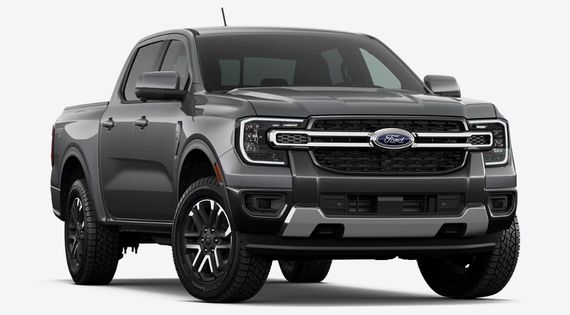
| Year | Price | Interest rate | Monthly repayment | Overall interest |
|---|---|---|---|---|
| 2023 | $33,525 | 6.95% p.a. | $663 | $6,258 |
| 2026 | $51,130 | 6.49% p.a. | $1,000 | $8,881 |
|
2023 2026 |
|
$33,525 $51,130 |
|
6.95% p.a. 6.49% p.a. |
|
$663 $1,000 |
|
$6,258 $8,881 |
Toyota HiLux SR Auto 4x4 Double Cab Ute

| Year | Price | Interest rate | Monthly repayment | Overall interest |
|---|---|---|---|---|
| 2023 | $44,000 | 6.95% p.a. | $870 | $8,213 |
| 2026 | $76,490 | 6.49% p.a. | $1,496 | $13,285 |
|
2023 2026 |
|
$44,000 $76,490 |
|
6.95% p.a. 6.49% p.a. |
|
$870 $1,496 |
|
$8,213 $13,285 |
Tesla Model Y RWD

| Year | Price | Interest rate | Monthly repayment | Overall interest |
|---|---|---|---|---|
| 2023 | $37,475 | 6.95% p.a. | $741 | $6,995 |
| 2026 | $58,900 | 6.49% p.a. | $1,152 | $10,230 |
|
2023 2026 |
|
$37,475 $58,900 |
|
6.95% p.a. 6.49% p.a. |
|
$741 $1,152 |
|
$6,995 $10,230 |
Toyota RAV4 GX 2WD

| Year | Price | Interest rate | Monthly repayment | Overall interest |
|---|---|---|---|---|
| 2023 | $34,400 | 6.95% p.a. | $680 | $6,421 |
| 2026 | $45,990 | 6.49% p.a. | $900 | $7,988 |
|
2023 2026 |
|
$34,400 $45,990 |
|
6.95% p.a. 6.49% p.a. |
|
$680 $900 |
|
$6,421 $7,988 |
Hyundai Kona 2WD

| Year | Price | Interest rate | Monthly repayment | Overall interest |
|---|---|---|---|---|
| 2023 | $20,325 | 6.95% p.a. | $402 | $3,794 |
| 2026 | $33,700 | 6.49% p.a. | $659 | $5,853 |
|
2023 2026 |
|
$20,325 $33,700 |
|
6.95% p.a. 6.49% p.a. |
|
$402 $659 |
|
$3,794 $5,853 |
Calculations are for illustrative purposes only and do not include other car-buying costs. Model costs obtained through RedBook, with used model costs based on average depreciation between upper and lower price estimates. Interest rates reflective of the minimum available rate for each car age through Savvy as of September 2026. Loan payments based on a five-year loan term. All figures are rounded up to the nearest dollar. The rate you receive on your car loan may be different to the rates listed above.
Car Loan Repayment Calculator
Your estimated repayments
$98.62
| Total interest paid: | Total amount to pay: |
| $1233.43 | $5,143.99 |
How much could you borrow for a car loan?
How much you can borrow depends on serviceability, or whether your income can cover the repayments after your living expenses and existing debts. Lenders on our panel can approve car loans up to 100% of the vehicle’s purchase price, but your limit will depend on the following:
- Income: lenders assess your regular income, but may only count part of any overtime, bonuses, commission or government payments.
- Employment type: permanent full-time workers are the most straightforward to assess, while casual and self-employed applicants may need a longer work history or extra documents.
- Living expenses: lenders use your declared expenses or a benchmark such as the Household Expenditure Measure (HEM) to work out what you’re paying each month.
- Outstanding debts: repayments on home loans, personal loans and buy now pay later (BNPL) accounts reduce the amount left over for a car loan.
- Dependants: each dependant increases your assessed living costs.
- Interest rate: a higher rate means higher repayments, which lowers the amount you can service.
- Loan term: a longer term lowers your repayments and can increase how much you can borrow but adds to your total interest.
Co-applicant borrowing capacity
| Income | 0 dependants | 1 dependant | 2 dependants |
|---|---|---|---|
| $80,000 | $28,592 | N/A | N/A |
| $90,000 | $74,139 | $48,552 | $28,723 |
| $100,000 | $111,455 | $85,867 | $66,038 |
| $110,000 | $124,323 | $98,605 | $78,880 |
| $120,000 | $150,000 | $135,921 | $116,195 |
| $130,000 | $150,000 | $150,000 | $150,000 |
| Calculations based on co-applicants in a relationship buying a new car with a fixed interest rate and repaying the loan over seven years. Includes monthly living expenses of $2,500 and monthly mortgage payments of $2,400. | |||
Your borrowing power can drop for reasons you might not expect, like credit cards or HELP debts. Even with no balance, a card’s limit still counts. For example, a couple earning $100,000 with one dependant would see their borrowing capacity fall from $74,698 to $53,552 just by having a $10,000 credit card limit.
Single applicant borrowing capacity
| Income | 0 dependants | 1 dependant | 2 dependants |
|---|---|---|---|
| $60,000 | $17,617 | N/A | N/A |
| $70,000 | $43,661 | $16,423 | N/A |
| $80,000 | $63,098 | $35,992 | $5,457 |
| $90,000 | $100,414 | $73,308 | $42,773 |
| $100,000 | $137,729 | $110,624 | $80,089 |
| $110,000 | $150,000 | $123,711 | $93,228 |
| $120,000 | $150,000 | $150,000 | $130,544 |
| Calculations based on a single applicant buying a new car with a fixed interest rate and repaying the loan over seven years. Includes monthly living expenses of $1,250 and monthly mortgage payments of $2,400. | |||
Budgeting for your car loan
"Once you add your partner into the mix, your borrowing capacity becomes less straightforward if their name isn’t going on the loan. Even if you’re living in a sharehouse where not everyone’s names are on the lease, a lender can wipe thousands off your borrowing capacity. Checking what you can comfortably afford before applying (especially with a dealership or lender) allows you to find a car in your budget and avoid being rejected."
Pros and cons of car loans
Pros
-
Immediate car ownership
A car loan can get you into a brand-new vehicle in as little as a few days. So, whether you’re upgrading or purchasing your first car, you can make it happen sooner.
-
Keep your savings intact
Instead of dipping into your savings to pay for a car, you can finance the entire purchase price of the vehicle with your loan.
-
Flexible loan options
You can take out a car loan for up to seven years. You also get to pick the repayment frequency, which allows you to tailor your instalments to fit your budget.
Cons
-
Interest repayments
All loans attract interest. While a loan makes the upfront cost of the car far cheaper, you’ll pay more than the purchase price of the car in the long run.
-
Affects your borrowing capacity
If you’re applying for a mortgage while you’re paying off your car loan, your borrowing capacity will be reduced due to the increased debt-to-income ratio.
-
Vehicle eligibility
Cars that are 15 to 20 years old by the end of the loan term may have a smaller pool of lenders willing to finance them. We work with lenders who can help you make it happen, though.
How to apply for your car loan with Savvy
-
Apply online
Complete our simple online form.
-
Submit documents
For verifying your personal info.
-
Chat to your broker
Speak about your car finance options on the phone. This is where you can be pre-approved.
-
Find your car
Through our in-house car broker (if you haven’t already).
-
Get approved
Have your application prepared and greenlit.
-
Signed, sealed, delivered
We’ll handle settlement and you can drive away!
Why apply for a car loan with Savvy?
Car loan eligibility and documentation requirements
Eligibility
- You must be at least 18 years of age
- You must be an Australian citizen, permanent resident or eligible visa holder
- You must be employed and earning a stable income from one or more sources that comfortably supports your repayments (starting from as little as $480 per week)
- You must meet your lender’s minimum credit score requirements
- Your car must meet your lender’s type, age and condition requirements
Documentation
- Your driver’s licence, front and back (or another form of government-issued ID)
- Your last two consecutive payslips (or your last tax return if you’re self-employed)
- 90 days of bank statements may be requested, but not always
- Information about your car, such as its age, is handy to have on hand
Top tips for saving money on your car loan
-
Check your credit report before you apply
Fixing errors on your report beforehand can help you qualify for a lower rate, and you can access it for free from credit reporting bureaus like Equifax and Experian.
-
Choose the shortest term you can comfortably afford
A shorter term means higher repayments but less interest over the life of the loan. Even shortening by one to two years will likely save you thousands.
-
Make extra repayments where you can
Paying more than the minimum reduces your balance faster and cuts your total interest, so check your loan has no early repayment fees.
-
Avoid balloon payments
A balloon payment lowers your regular repayments, but you pay interest on that lump sum for the entire loan term and still have to pay it off at the end.
-
Sort your finance before visiting the dealership
Having pre-approval for a new or used car loan lets you negotiate on the vehicle’s price rather than accepting whatever finance the dealer offers.