



What types of car insurance are available?
In Australia, there are four main types of car insurance, each offering a different level of cover. While CTP insurance is compulsory for all vehicles, the other three are optional and provide increasing levels of protection depending on your needs.
Types of car insurance




Compulsory third party (CTP)
CTP insurance is the only mandatory type of car insurance in Australia. It covers injuries or death caused to others in an accident but not damage to property, other vehicles or the driver’s own injuries or vehicle.
Compulsory third party (CTP)
CTP insurance is the only mandatory type of car insurance in Australia. It covers injuries or death caused to others in an accident but not damage to property, other vehicles or the driver’s own injuries or vehicle.
What does car insurance cover?
What optional extras are available with car insurance?
Most insurers offer a range of optional extras that can be added to a policy for an additional cost. These extras can vary depending on the insurer, but some common ones include:
- Roadside assistance: this supports drivers during breakdowns or unexpected incidents while on the road and can include emergency towing, fuel delivery, jump-starting, lockout assistance and flat tyre repair.
- Windscreen cover: this can cover the cost of repairing or replacing a damaged windscreen.
- Excess-free glass cover: repair or replace any glass on your vehicle covered without having to pay an excess.
- No-claim bonus protection: this keeps your no-claim bonus discount intact even if you make a claim. Without this, your premium may increase after you make a claim.
- Hire car cover: this provides a temporary replacement vehicle if your car is damaged or stolen.
- Lifetime repair guarantee: this ensures any repairs made to your car are guaranteed for the life of the vehicle. It’s often included as part of comprehensive car insurance as standard.
How much does car insurance cost?
Car insurance premiums in Australia have been growing steadily in recent years, increasing by over 40% since 2019. Drivers now pay more than $1,000 a year on average.
Quotes can vary significantly between insurers, but to give you an idea of what you might pay, here’s a range of annual premiums available through Savvy for third-party and comprehensive cover for popular small, SUV, ute and electric vehicle models.
Source: Compare the Market, April 2026 Mazda3 G20 Pure
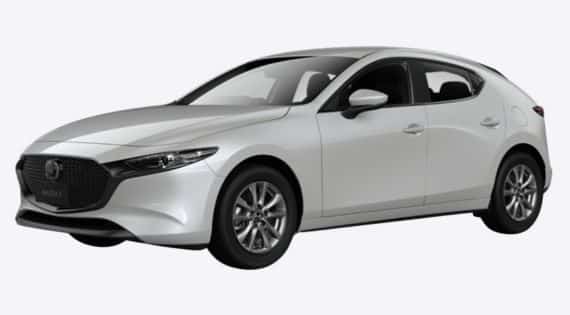
TPPD
Comprehensive
$482 – $1,153
$1,589 – $3,236
Toyota RAV4 GX
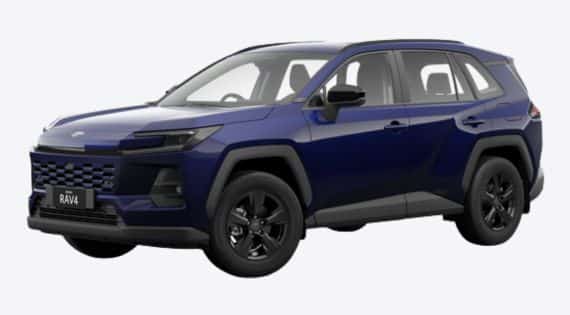
TPPD
Comprehensive
$639 – $752
$1,734 – $2,116
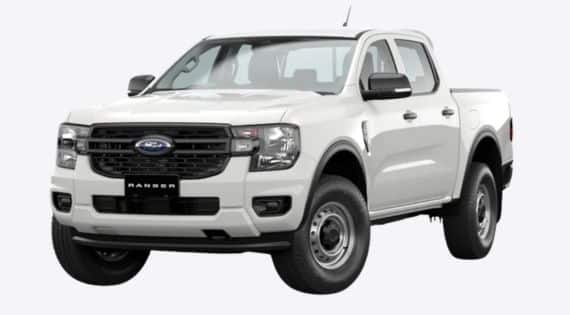
Ford Ranger XL
TPPD
Comprehensive
$764 – $1,108
$1,953 – $3,961
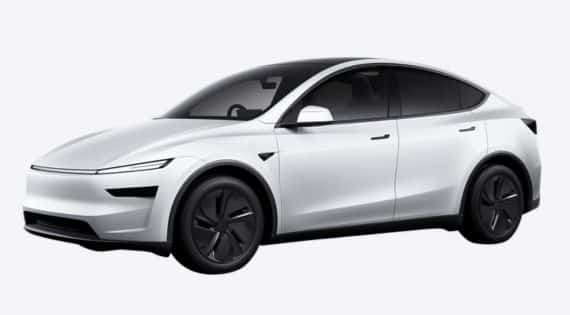
Tesla Model Y
TPPD
Comprehensive
$685 – $1,506
$3,923 – $6,025
Quotes are based on 2026 vehicle models for a 35-year-old male driver in Sydney with a full licence and no claims history, driving 15,000 km per year and selecting a $600–$700 excess.
As you can see for the Ford Ranger, one of Australia’s most popular cars, quotes can differ by nearly $2,000, so unless you shop around you could be paying a lazy tax.
What influences my car insurance premiums?
How much you’ll pay for your vehicle cover also depends on a number of other factors. As well as the provider and the type of insurance you choose, your premium will be influenced by:
- Age and driving experience: younger and less experienced drivers like P-platers usually face higher premiums due to the higher risk associated with inexperience.
- Type of vehicle: more expensive, powerful and newer vehicles tend to cost more to insure due to higher repair or replacement costs. Likewise, electric cars tend to have higher insurance costs.
- Driving history: a clean driving record typically results in lower premiums, while past accidents or traffic violations may raise your rates.
- Usage: if you use your vehicle for business purposes such as ridesharing or often drive long distances, you may have a higher premium.
Why does insurance for an electric car cost more?
EVs often cost significantly more to insure due to their higher value, expensive parts such as batteries and specialised repair requirements, which can drive up electric car insurance premiums.
- Location: your state and postcode also play a part. Living in an area with higher accident or theft rates may lead to higher premiums.
- Car parking: cars parked on the street often cost more to insure than those in a driveway or garage.
- Market or agreed value: insuring your car for its market value – where the insurer will determine how much the car is worth at the time of the claim – instead of an agreed value determined at the start of the policy can lower premiums.
- Excess: in many cases, choosing a higher excess means lower car insurance premiums, but you’ll pay more out-of-pocket if you make a claim.
Why compare car insurance policies through Savvy?
What is excess in car insurance?
An excess is the amount you have to pay when you make a claim on your car insurance. For example, if your excess is $200 and you claim for $2,000 worth of damage, your insurer would cover $1,800, and you would pay the remaining $200.
You’ll need to pay an excess each time you claim for an incident, in most cases before work can begin on your vehicle. Whether an excess will apply – and how much you’ll need to pay – depends on your policy and the type of claim.
Generally, choosing a higher excess can lower your premiums, while a lower excess may lead to higher premiums.
Market value vs agreed value car insurance
One option you may have when taking out car insurance is to insure your vehicle for its market value or agreed value.
Market value means you’ll receive the estimated value of your car in the current market if it’s written off or stolen. Agreed value, on the other hand, is a value agreed upon before the policy begins in the event your car is stolen or written off.
Here's how this would work in practice:
Scenario 1: Market value insurance |
|---|
| Lauren wants a new insurance policy for her ten-year-old sedan. She decides to take out a market value car insurance policy, as it has a lower premium than the agreed value option and she doesn’t think being covered for a few thousand dollars more on an older car is worth the extra cost.
|
Scenario 2: Agreed value insurance |
|---|
| James is looking to insure his brand-new sports car, which he just bought for $70,000. He wants to ensure he has adequate coverage in case it’s stolen or written off, so he chooses an agreed value policy. This means James can ask his chosen insurer to agree to insure the car for the amount he just paid for it, though his premiums will be higher.
|
Tips for getting the cheapest car insurance policy
-
Look for discounts
Many insurers offer discounts for new sign-ups or bundling your car insurance with other policies.
-
Adjust your cover level
Switching from comprehensive to third-party cover can significantly reduce your premium, which may suit if you have an older or less valuable car.
-
Increase your excess
A higher excess can lower your premium, though you’ll pay more out of pocket if you make a claim.
-
Pay annually, not monthly
Paying in one lump sum can reduce your premium, as many insurers charge extra fees for monthly payments.
-
Avoid unnecessary extras
Optional extras bump up premiums, so skipping cover you don’t need can help keep costs down.
-
Think about how much you drive
If you don’t drive often, a low-kilometre or pay-as-you-drive policy may reduce your premium.
-
Compare your options at renewal time
Rather than accepting your insurer’s renewal price, shop around to see if you can find a better deal.

Save money by downgrading your cover
"If your car is only worth a few thousand dollars and you're close to upgrading, it might be a smarter financial decision to downgrade to third party cover (if you haven't already). That way if you're at fault in an accident, you're still covered for damage caused to another vehicle.
It's a bit of a gamble, but you could potentially save up to $1,000 if you were to do this and not have an accident. That money could go towards buying your next car."
How to buy a car insurance policy through Savvy
-
Start your application
Provide information about your car, yourself and your driving history.
-
Access your quotes
Compare a range of quotes from partnered insurance providers.
-
Purchase your policy
Choose your policy and get covered in minutes.
If you’re insuring anything but a new car, you’ll need to cancel your existing policy or contact your insurer to stop it auto-renewing so you’re not paying for two policies.
Car insurance providers you can compare with Savvy